Why Protein Matters for Better Blood Sugar Support
- Ulysses McDowell
- Mar 15
- 4 min read

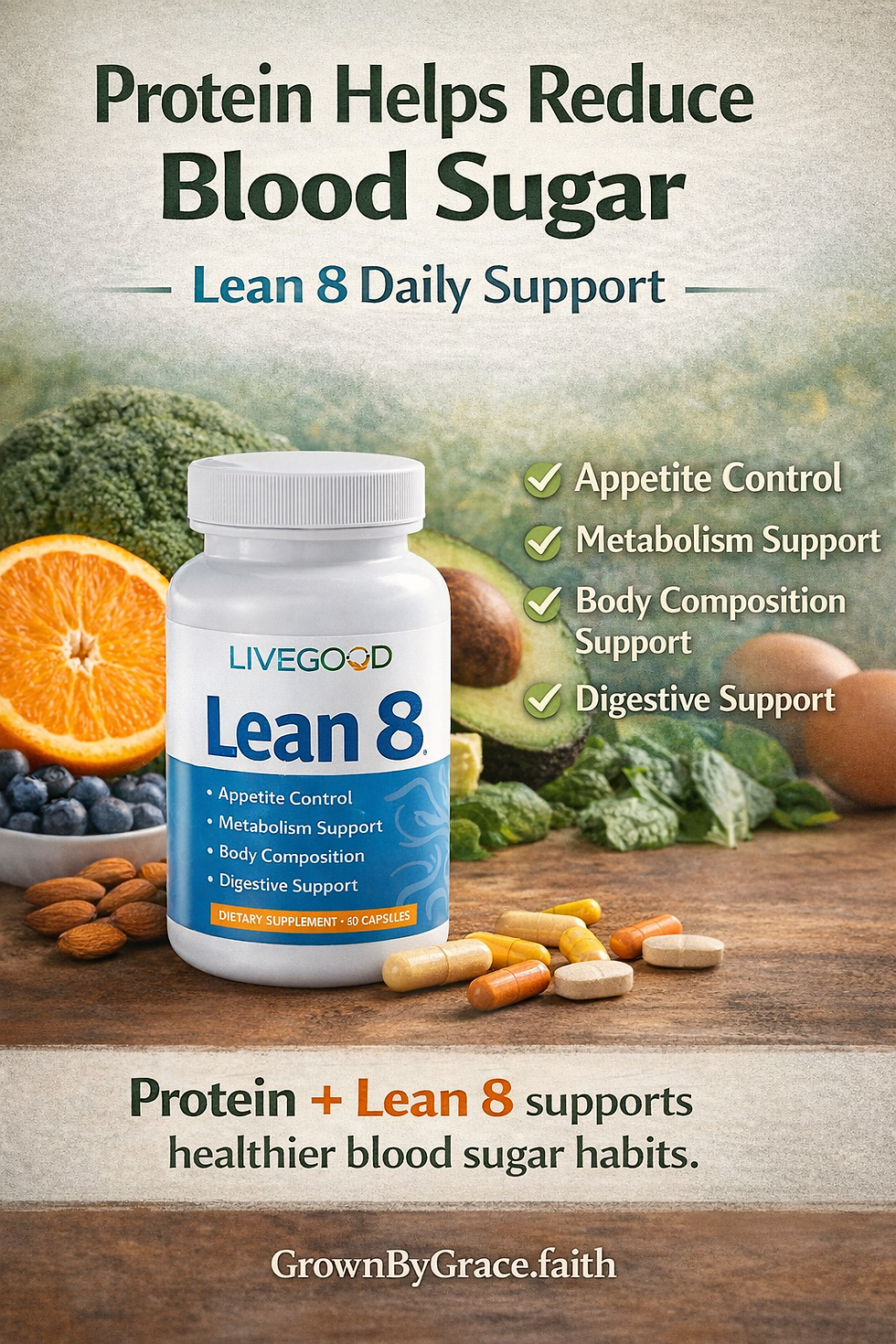
And Why I Pair a Protein-First Approach with Lean 8
When most people think about blood sugar, they think about sugar. That makes sense. But one of the most overlooked parts of the conversation is protein.
Protein can be a big help when you are trying to build steadier eating habits, control cravings, and avoid the sharp ups and downs that often come from meals built around refined carbs alone. Research reviews have found that protein intake can support glycemic control, and the American Heart Association notes that protein is an essential nutrient with a general adult RDA of 0.8 grams per kilogram of body weight per day, with some older or more active adults often needing more.
That does not mean protein is a magic cure. It does mean that building meals around protein can be a smart move for people who want more stable energy and better appetite control.
Why Protein Can Help with Blood Sugar
One reason protein helps is that it usually slows the overall pace of a meal compared with eating mostly fast-digesting carbohydrates by themselves. In practical terms, a protein-centered meal often leaves you feeling fuller longer and less likely to start hunting for another snack an hour later. Some clinical and review literature also suggests protein supplementation can positively affect glycemic control in certain contexts.
Just as important, adequate protein helps preserve lean muscle mass, especially if you are trying to lose weight. That matters because improving body composition often goes hand in hand with better metabolic health. LiveGood’s own materials for its weight-management stack also connect protein intake with maintaining healthy muscle during fat loss.
Protein Helps Reduce the “Crash and Crave” Cycle
A lot of people do not just struggle with high blood sugar. They struggle with the cycle that leads there:
skipping protein at breakfast
eating something quick and sugary
crashing later
craving more carbs
repeating the same pattern all day
That is where protein can be so helpful. When you include protein in your meals, it may help you feel more satisfied and more in control. The American Heart Association also recommends choosing healthier protein sources, especially more plant proteins, fish, seafood, low-fat dairy, and lean, unprocessed meats.
The Supplement I Use: Lean 8
The supplement I use is Lean 8, though to be accurate, the product I could verify under the LiveGood line is LEAN, which is marketed as a body-composition improvement formula, not as a protein supplement. Its listed ingredients include glucomannan, berberine HCl, green tea extract, chromium picolinate, L-carnitine tartrate, caralluma fimbriata, white kidney bean extract, hops extract, vitamin B12, and digestive enzymes.
What I like about using it alongside a protein-focused eating plan is that it is designed to support areas many people care about when trying to improve body composition and appetite control:
Glucomannan is included for fullness support.
Berberine and chromium are included in the formula and are often discussed in metabolic-health conversations.
Green tea extract and L-carnitine are positioned by the company as metabolism-support ingredients.
The formula also includes digestive enzymes, which some people appreciate as part of a daily routine.
My Practical Take
For me, the biggest lesson is this: supplements work best when they support good habits, not replace them.
If your meals are low in protein and high in refined carbs, no capsule is going to fix that by itself. But when you start with protein, choose better carbs, stay active, and then add a supplement that supports appetite and weight-management goals, you may set yourself up for better results.
That is the way I look at Lean 8. I do not see it as a replacement for eating wisely. I see it as something I use alongside a better routine.
Simple Protein Ideas for Better Blood Sugar Support
If you want a practical starting point, try building your day around protein first:
eggs or Greek yogurt at breakfast
chicken, fish, turkey, tofu, or beans at lunch
a protein shake when you are rushed
lean protein with vegetables for dinner
nuts, cottage cheese, or a boiled egg instead of sugary snacks
That kind of pattern may help reduce the roller-coaster feeling many people get from carb-heavy eating.
A Word of Caution
Protein can be helpful, but more is not always better. The American Heart Association notes the general adult RDA is 0.8 g/kg/day, and some people, especially those with kidney disease or other medical conditions, may need personalized advice. Also, some protein supplements contain added sugars or other additives that can work against your goals, so label reading matters.
Final Thoughts
If your goal is to support better blood sugar habits, protein deserves a place in the conversation. It can help with fullness, muscle maintenance, and steadier eating patterns. And when combined with a supplement like Lean 8/LEAN, which is aimed more at appetite and body-composition support than protein delivery, it can fit into a more intentional wellness routine.
The key is to build from the basics:eat real food, get enough protein, move your body, and use supplements as support instead of shortcuts.
Disclosure: This post may contain affiliate links.Disclaimer: This article is for educational purposes only and is not medical advice. If you have diabetes, prediabetes, kidney disease, or take blood-sugar-lowering medications, talk with your healthcare professional before changing your diet or adding supplements.
Resources


Comments